Turn a Chinese material quotation into a clear international purchase specification—with the complete grade, product standard, condition and traceable test evidence.
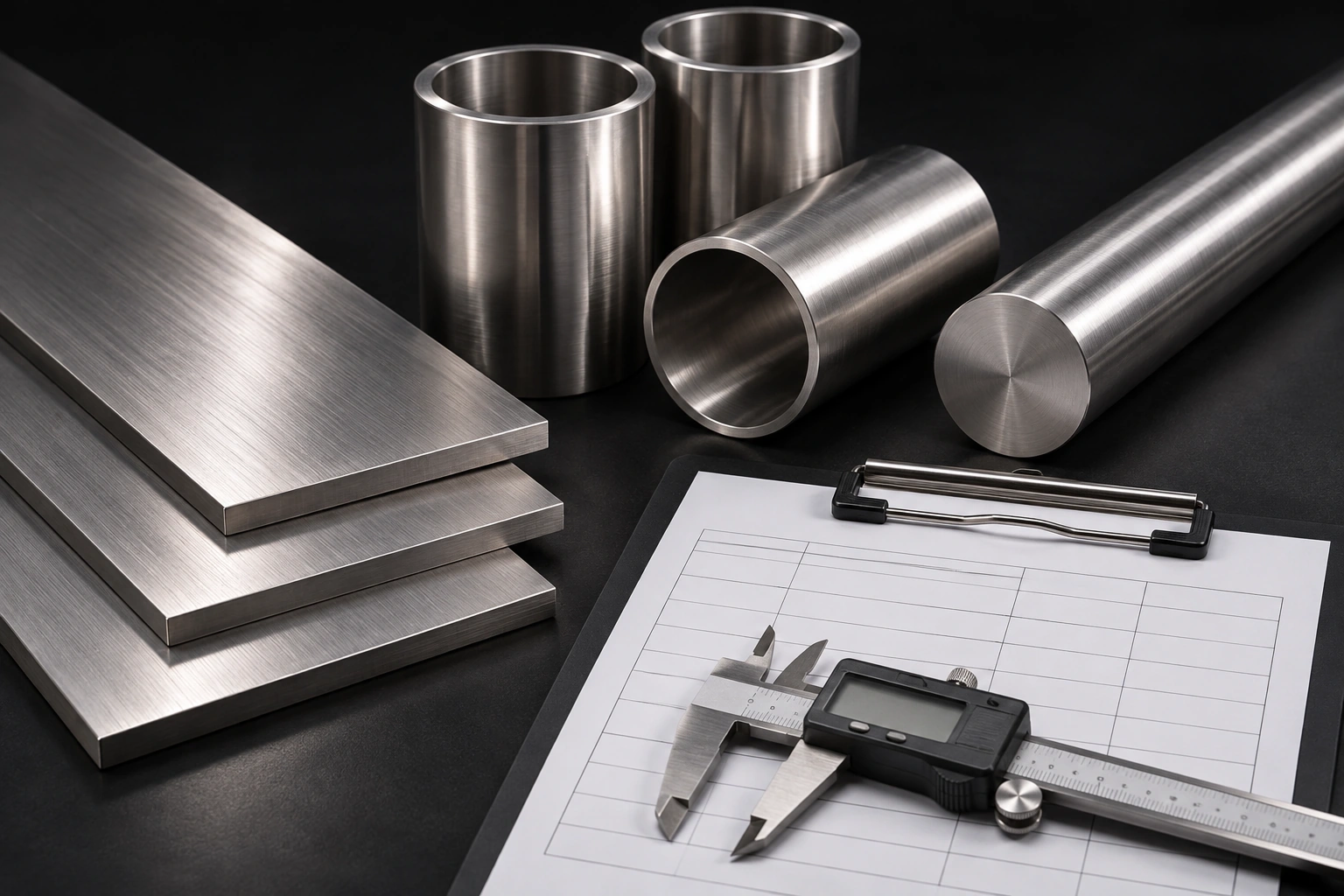
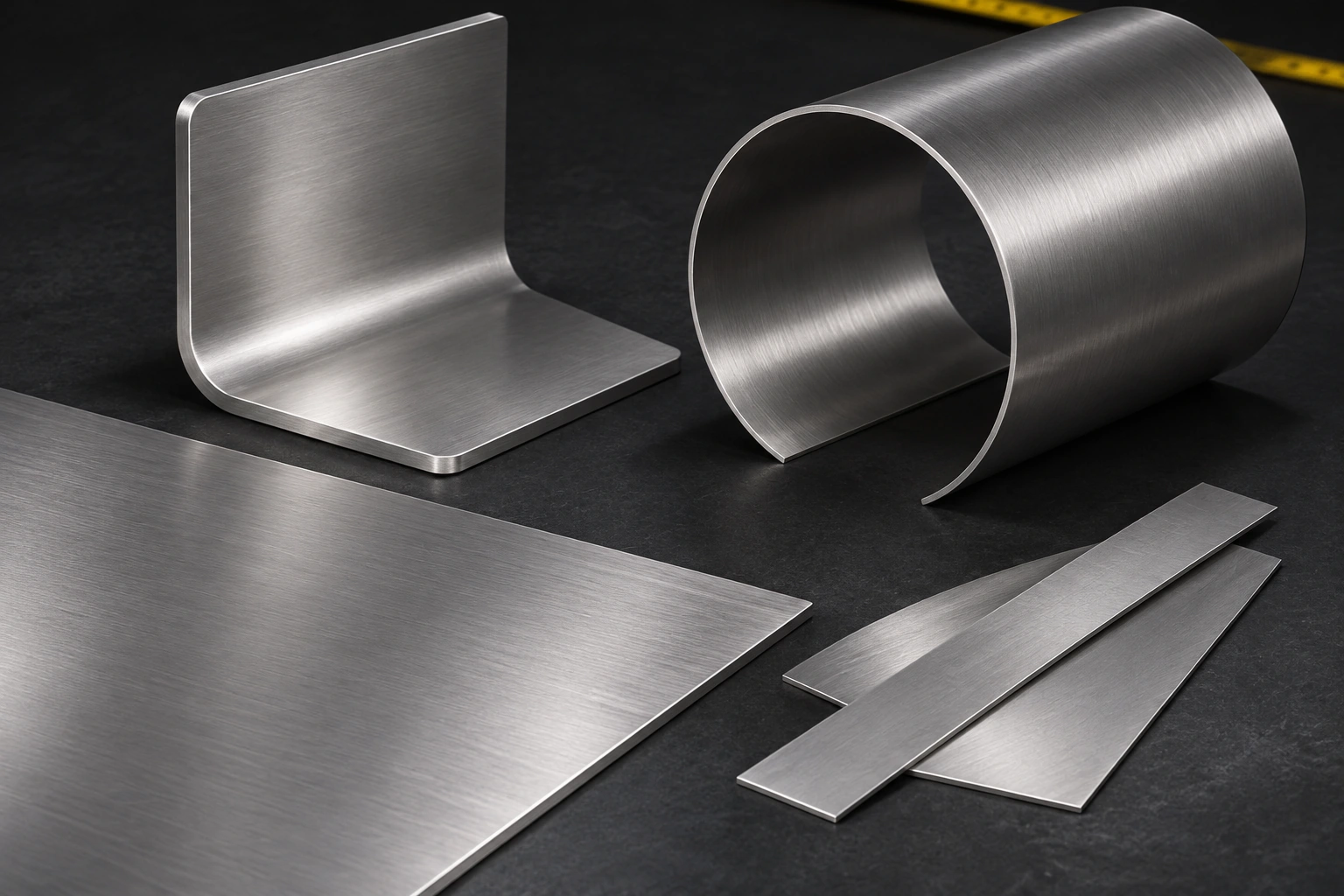
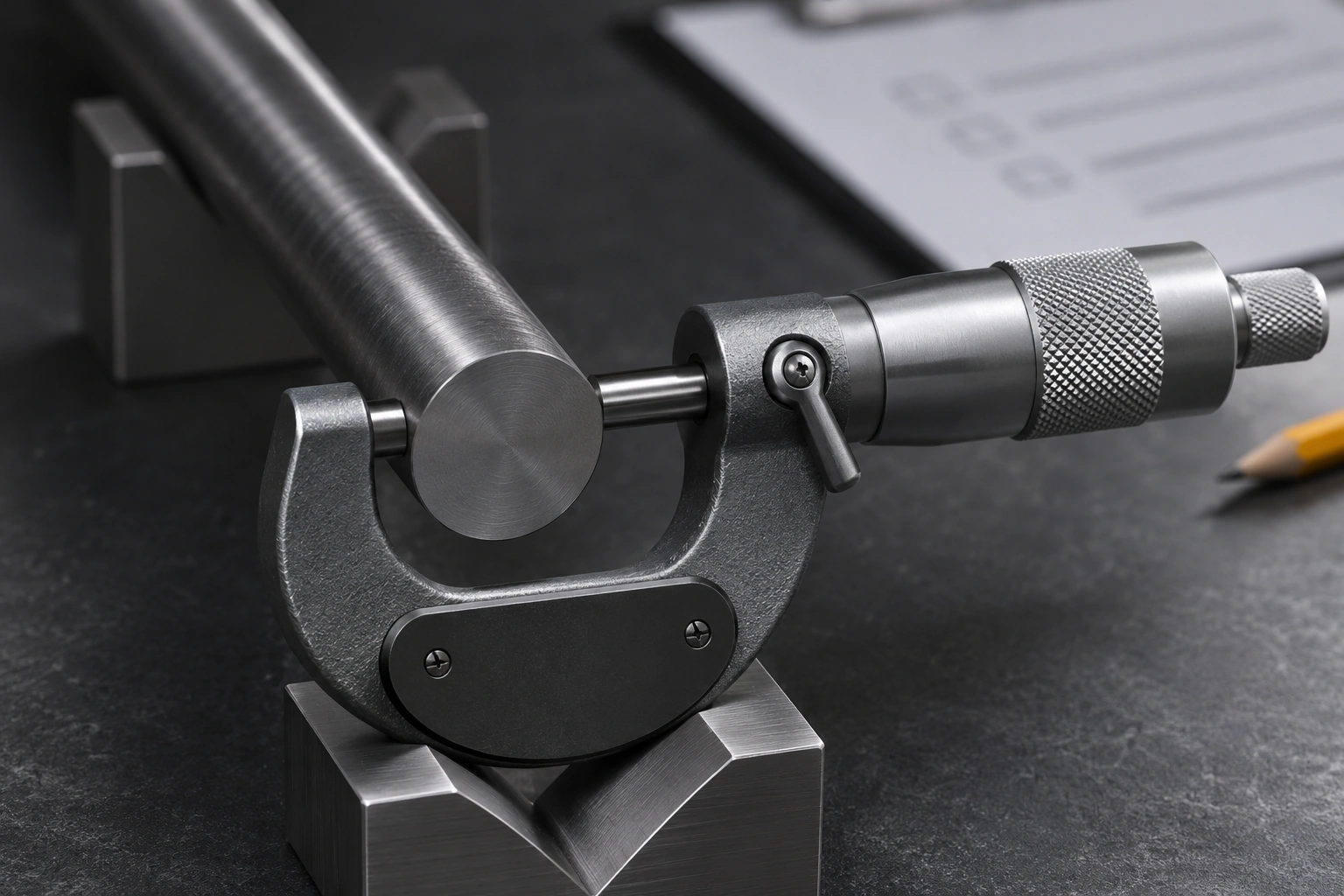
AI illustration. Appearance and labels do not verify material compliance.
Quick Answer
Treat TA2 vs Grade 2 titanium as a specification review, not a one-line conversion. Before buying from China, confirm the complete Chinese designation exactly as certified, the chemistry and product-standard editions, product form, delivered condition, dimensions, properties and traceable mill test certificate. If the order requires Grade 2 to an ASTM or ASME specification, require evidence against that exact requirement or obtain written approval for a defined alternative.
01 / The purchasing question
A short grade name leaves too much unstated.
A Chinese quotation may describe the material simply as TA2, while the overseas drawing specifies Grade 2 titanium. Both parties can believe they have agreed the material and still disagree at incoming inspection. The difference often appears in the standard edition, product form, condition, test scope or certificate wording rather than in the short name on the quotation.
The useful TA2 vs Grade 2 titanium question is therefore: “Does this specific supply meet the specification on my order?” A cross-reference chart is a useful search aid. It is not a substitute for a controlled comparison of the requirements and records. Keep the exact source designation visible instead of translating every Chinese label into an assumed American grade.
GB/T 3620.1-2016 is a Chinese designation-and-composition standard. Product documents such as GB/T 3621-2022 for plate and GB/T 2965-2023 for bar address their respective product scopes. The distinction matters because a chemistry reference by itself does not settle dimensions, delivery condition, product testing and documentation. [1][2][3]
Product definitionStart with the product.
Define the form, condition and manufacturing requirements before comparing grades.
Acceptance evidenceConnect the records.
Dimensions, material identity and the agreed inspection scope belong together.
AI-generated editorial illustrations show product and inspection concepts. They are not production records or evidence of a particular material grade.
Record the full designation without simplifying it
Ask for the designation exactly as it appears in the applicable standard and proposed certificate. Preserve letters, numbers and any suffix. If a supplier uses an abbreviated sales name, request the formal certified name separately. If an older document is supplied, record its edition and resolve how it relates to the current order. Do not assume that similarly written designations from different editions carry identical requirements.
Where the documentation includes a suffix such as G or ELI, keep it in the review until its meaning and requirements have been checked against the relevant standard. Do not remove a suffix because a commercial comparison table omits it, and do not add one to make the name resemble another grade. The actual controlled documents—not a naming convention inferred from a website—must settle the comparison.
A useful first response from the supplier
Information requested
Why it matters
An incomplete response
Full Chinese designation
Identifies exactly what is being offered
“TA2, same as Grade 2”
Chemistry standard and edition
Defines composition requirements
A grade name with no standard
Product standard and edition
Defines the supply scope
Chemistry standard only
Product form and route
Distinguishes plate, bar, tube and fabricated parts
“Titanium material”
Delivery condition
Connects the material with the required properties
“Normal condition” without a definition
Certificate format and test scope
Shows what evidence will accompany the lot
Generic datasheet or unrelated sample results
Deviations from the enquiry
Makes the approval decision visible
Silence where the offered scope differs
Keep the buyer’s requirement in its original form
If the drawing says ASTM Grade 2, retain that wording and the complete product specification in the purchase enquiry. If it says ASME material, retain the applicable ASME reference and edition. If the buyer wants a Chinese-standard product, state that clearly instead. Do not create an ambiguous order by mixing the target grade from one document with selected requirements from another without defining the complete acceptance basis.
For an unclear legacy drawing, ask the responsible engineering or quality team to clarify the material note before suppliers quote against it. The supplier can help explain available supply options, but should not silently make a design decision through the wording of its quotation. The result should be a specification that the supplier and receiving inspector can both apply.
02 / Requirements
Compare the product requirements line by line.
Build the comparison around the actual product, not a universal TA2/Grade 2 table. The same short grade name may appear in enquiries for plate, bar, welded tube and seamless pipe, while each product has different dimensional and inspection questions. Select the relevant standard first, then compare its applicable requirements for the ordered size and condition.
Match the product form and manufacturing route
ASTM B265 addresses strip, sheet and plate; ASTM B348/B348M addresses bars and billets. ASTM B338 addresses tubes for condensers and heat exchangers, while B861 and B862 distinguish seamless and welded pipe. [4][5][6][7][8] These references are product-scope examples, not a declaration that every listed Chinese and ASTM document is equivalent.
Product enquiry
Define before quotation
Evidence to connect with the final goods
Sheet or plate
Thickness, width, length, flatness, surface and edge condition
Correct product certificate and dimensional report
Bar or rod
Section, length, straightness, finish and machining allowance
Heat/lot identity, properties and measured dimensions
Heat-exchanger tube
Outside diameter, wall, length, route and applicable tube standard
Required tube tests, dimensions and identity
Seamless or welded pipe
Exact route, size basis, wall and applicable pipe standard
Route-specific records and agreed examination
Machined or fabricated part
Starting material plus finished drawing requirements
Material traceability and finished-part inspection
Do not accept “seamless” and “welded” as interchangeable commercial descriptions. If the drawing requires one route and the supplier proposes the other, record it as a deviation for review. Likewise, a sheet certificate does not establish finished welded-tube acceptance. Ask which organization performs each manufacturing and inspection stage and how identity is transferred between them.
Check chemistry on the correct basis
Create a comparison row for every element required by the target specification. Record the applicable limit and the actual result from the offered heat. Identify whether the record is heat analysis or product analysis, and apply any relevant provisions from the ordered documents. Check units and decimal places rather than relying on a highlighted “pass” beside the grade name.
Do not conclude that an order is acceptable because one or two familiar elements match. For commercially pure titanium, the complete specified chemistry matters. A general manufacturer datasheet can help screen a candidate, but it is not a heat-specific test record. If a certificate omits a required result, ask how the missing evidence will be resolved before accepting the material.
A supplier may offer to meet both Chinese and ASTM requirements. Ask for the exact two specifications and editions, the complete conformity basis and any exceptions. Dual compliance should be a documented claim about the actual supply, not a slash between two grade names on a quotation. If only one specification is required, avoid adding a second label that creates uncertainty without solving a purchasing need.
Compare properties, condition and test context together
Grade 2 is a common industrial titanium option with useful formability and strength; manufacturer data provide screening context for that material family. [9] For acceptance, use the properties required by the specific product standard, size range and condition. Do not transfer a plate value to tube, wire or a differently processed bar simply because the grade name is familiar.
Ask which specimen direction, sampling basis, gauge length and test method apply where those details affect the requirement. Review the reported results against that basis. If an English translation simplifies a test description, obtain clarification rather than guessing what the original record means. A result without its relevant context can be difficult to compare fairly.
For a formed or machined part, identify the condition at each stage that matters. If the material will be annealed, formed or welded after the mill tests, state what final verification is required. A valid starting-material certificate remains useful, but it does not answer every question about a later manufactured component.
03 / Acceptance and cost
Make the certificate and the shipment tell the same story.
The mill test certificate is most useful when it can be reconciled with the order, physical markings and packing list. Review that connection before shipment. Discovering a mismatched heat number after the goods arrive creates avoidable uncertainty even when the material itself may be suitable.
Certificate review checklist
Certificate item
Check against
Action when the information is missing
Issuer and certificate identity
Agreed supply and document chain
Request the source and relationship of the record to the goods
Full designation
Approved material requirement
Clarify abbreviations and preserve suffixes
Standards and editions
Purchase order and drawing
Obtain a corrected or additional conformity statement supported by records
Product and condition
Actual ordered supply
Resolve mismatched form, size or treatment
Heat/lot identifier
Piece marks and packing list
Hold release until traceability is reconciled
Chemistry and properties
Applicable acceptance criteria
Obtain the required evidence or review a documented deviation
Supplementary examination
Contract inspection plan
Confirm procedure, scope, results and acceptance basis
Quantity and dimensions
Shipment and inspection records
Reconcile the delivered scope before shipment
Use translation to clarify, not to rewrite the record
An English certificate or a controlled translation can help the receiving team. It should preserve the original designation, numbers, units, document references and identity. If an explanatory English grade comparison is added, distinguish it from the material actually certified. Replacing the original designation with “Grade 2” without supporting conformity evidence makes the record less reliable, not easier to accept.
Ask how corrections are issued. If a certificate contains a genuine clerical error, the responsible issuer should correct it through an identifiable process. Keep the corrected record linked with the shipment and order. Do not manually edit test values, standard references or heat numbers to make a document appear consistent with the contract.
An illustrative China-sourcing scenario
A buyer requests Grade 2 plate to a specified ASTM B265 edition, with defined dimensions and certificate requirements. A quotation arrives for “TA2 plate, GB/T 3620.1.” The offer has identified a material family and chemistry reference, but it has not yet stated the complete product standard, delivered condition or evidence against the requested ASTM requirement.
The buyer asks for the full Chinese designation, applicable product standard and edition, proposed certificate format, dimensional tolerances and a written comparison with the target specification. If the supplier can demonstrate the required compliance, the quotation and order are aligned. If differences remain, they are submitted for technical approval or the supply route is changed. The decision is based on the documented scope, not the country label.
Preserve identity when material is cut or consolidated
Specify how a parent heat remains connected with cut sheets, bars or tube lengths. If several factories or processors contribute to a shipment, agree the document and marking method for each lot. One commercial contact can simplify coordination, but it does not remove the need to keep separate material identities clear.
For mixed sizes, ask whether the same heat covers all items or whether multiple heats will be supplied. Make the packing list usable for receiving inspection: item description, quantity, dimensions, heat/lot reference and relevant certificate number should be easy to reconcile. Agree any piece marking restrictions where surface quality or downstream fabrication could be affected.
Compare landed scope rather than a short material price
Request comparable quotations for the same grade requirement, product, condition, dimensions, inspection and documents. Identify cutting allowance, minimum order quantity, packing, delivery terms and destination. If additional testing or third-party inspection is needed, agree who arranges it, when it happens and what records will be issued.
There is no universal percentage saving attached to the TA2 label. Stock availability, usable dimensions, production route, test scope and logistics can all change the quotation. A clear specification helps a capable supplier quote accurately and helps the buyer distinguish a genuine commercial advantage from an omitted requirement.
Set a release process that works across time zones
Agree when the supplier sends documents for review, who answers technical questions and what written response authorizes shipment. Keep open issues in one list with an owner and status. If a drawing revision or standard edition changes after quotation, ask for the impact on material, testing, price and delivery before confirming the revised order.
For repeat orders, reuse the approved requirement matrix while checking whether the new size, condition or supply route changes its applicability. A previous successful shipment is useful experience, but it should not become a blanket approval for every product described with the same short grade name.
04 / Build your RFQ
Send a specification that can be checked.
TiHubs coordinates titanium sourcing from Baoji through its local supply network. For a TA2 or Grade 2 enquiry, provide the full material note, target specification and edition, product form, condition, dimensions, quantity and destination. Include the certificate and inspection scope your receiving team needs. We can coordinate the supplier’s response and identify questions that must be closed before quotation or production.
If you already have a Chinese offer, include its exact designation and standards rather than summarizing it as “equivalent.” The comparison is more useful when both the buyer’s requirement and the supplier’s proposed scope remain visible. Use the cross-reference tool as an entry point, then complete the order-specific review.
Build your RFQ checklist
Choose the product and add the information you have. Copy the resulting brief or send your requirements to TiHubs. Submitting an enquiry does not place an order.
“Please state the full Chinese designation exactly as certified, together with the chemistry and product-standard editions. Confirm the offered product form, delivery condition, dimensions, test scope and heat/lot traceability. Compare the supply with the target Grade 2 specification in this enquiry and list every deviation. Supply no alternative without the required written approval.”
05 / FAQ
Questions about TA2 and Grade 2 sourcing.
Can I order TA2 by writing “equivalent to Grade 2”?
That wording is incomplete. State the target product specification, edition, form, condition and acceptance requirements. Ask the supplier to identify the exact offered Chinese designation and document how the requirements will be met.
Why does the standard edition matter?
The edition identifies the actual requirements being applied. Designations, scope or technical provisions can differ across documents and revisions. Record the editions on the order and resolve conflicts before material is allocated.
Should suffixes be removed for an English certificate?
No. Preserve the complete formal designation. Add a clear explanation if needed, but do not simplify away a suffix or replace the certified name with an assumed cross-reference.
Is GB/T 3620.1 enough for a plate order?
It addresses designation and composition. A plate order also needs the relevant product requirements, dimensions, condition, inspection and documents. Identify the applicable product standard and any additional contractual requirements.
Does a Chinese certificate prevent ASTM compliance?
No. The issue is what the actual material and records demonstrate, not the language or country of the certificate. Require a clear conformity basis against the specified ASTM edition and resolve any missing evidence.
Can a test after delivery establish everything?
No single test answers every requirement. Some missing evidence may be obtainable through an agreed examination, while processing history or lost traceability may not be reconstructable. Review the gap before accepting a proposed remedy.
Can one certificate cover several heats?
The document arrangement must comply with the order and clearly distinguish the results and identity of each relevant heat or lot. The receiving team must be able to connect every delivered item with the correct evidence.
Is TA2 always the cheaper option?
Compare dated quotations for identical supply and acceptance scopes. Grade shorthand alone does not establish price, quality or lead time. Include usable dimensions, inspection, documents, packing and delivery terms.
06 / Key takeaways
Buy a traceable product, not an assumed translation.
Preserve the full designation. Letters, suffixes and editions belong in the review.
Specify the product standard. A chemistry reference does not define a complete material order.
Compare applicable results. Use the correct form, size, condition and test context.
Keep the certificate linked to the goods. Reconcile heat/lot identity through cutting and delivery.
Approve differences before release. Align the drawing, quotation, order and inspection plan.
Technical references
Sources and data scope
Technical references checked November 7, 2026. Chinese and ASTM references below identify document scopes; their inclusion does not declare the standards equivalent. Use the controlled full texts for the ordered editions when comparing requirements. The certificate workflow and examples are TiHubs procurement guidance.
TiHubs coordinates titanium materials and custom supply from Baoji, China. Our founder’s 20 years in titanium inform a specification-led sourcing approach: clarify the product, manufacturing and acceptance requirements before quotation. Learn about our sourcing role.
Contents
TiHubs
Talk to TiHubs
Ask about titanium materials, grades or custom parts.
Enter your email to start chatting.
We use your email to respond to your enquiry. Your conversation is stored on this website.
Our team is away right now. Leave your enquiry and we will follow up by email.